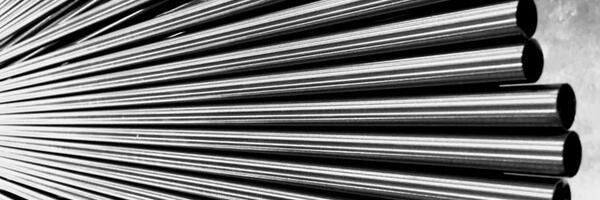
Cobalt Nickel alloys are used when stainless steel may not provide adequate performance.
These alloys have ultra-high strength, toughness, ductility, and outstanding corrosion and wear resistance. Cobalt Nickel alloy is also known as super stainless steel.
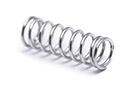
Cobalt Nickel Alloy Springs FAQs
What are cobalt nickel alloy springs and when do you need one instead of stainless steel?
Cobalt nickel alloys are used when stainless steel does not provide adequate performance. They combine ultra high strength, toughness, and ductility with corrosion and wear resistance well beyond what the austenitic stainless grades deliver. The practical trigger for moving to one is a spring that has to satisfy several demanding requirements at the same time, such as very high strength plus chloride or sour gas corrosion resistance plus non-magnetic behavior plus long fatigue life. A stainless steel spring can usually meet one or two of those. Cobalt nickel alloys are what you specify when the application will not allow a compromise.
Which cobalt nickel alloys does Coiling Technologies work with, and how do they differ?
Coiling Technologies coils cobalt nickel alloys as one of its published material categories, with Elgiloy and MP35N the two most commonly specified. Elgiloy is a cobalt-chromium-nickel-molybdenum alloy, cold worked to very high strength with optional age hardening, long established in medical devices and precision instruments and available in extremely fine wire. MP35N is a cobalt-nickel-chromium-molybdenum multiphase alloy strengthened by cold work plus aging, with a heavy presence in downhole and sour gas service. Their corrosion behavior and strength overlap substantially, so selection usually turns on wire availability, the governing specification, and cost.
Are cobalt nickel alloy springs non-magnetic?
Yes. Both Elgiloy and MP35N are non-magnetic in the conditions normally used for springs, which is a large part of why they appear in medical implants, sensors, downhole measurement tools, and defense hardware where magnetic permeability is a design constraint. Heavy cold work concentrated at the most deformed sections of a coil can produce a small local increase in permeability, so if your assembly has a hard permeability limit, state the limit and the measurement method rather than simply calling for a non-magnetic material. That lets the wire condition and processing be selected against the actual acceptance criterion.
How do cobalt nickel alloy springs perform in sour gas and marine environments?
Their molybdenum and chromium content gives strong resistance to chloride induced pitting, crevice corrosion, and sulfide stress cracking, the failure modes that eliminate high strength steels and most stainless grades from sour and seawater service. That combination of high strength and cracking resistance is why cobalt nickel springs are specified for downhole tools, wellhead and valve internals, and subsea equipment. Where your application falls under NACE MR0175, ISO 15156, or an API document, CTI can build and heat treat to the requirements you supply and provide material certifications with chemistry and mechanical property data.
How do I choose between a cobalt nickel alloy and a nickel-base superalloy for my spring?
Temperature usually decides it. Cobalt nickel alloys draw their strength largely from cold work, so their useful service temperature is limited and sustained heat recovers that structure and costs you load. Precipitation hardened nickel alloys such as Inconel X-750, 718, Nimonic 90, and Rene 41 hold load at far higher temperatures but do not match cobalt nickel corrosion performance or fine wire strength. If the spring runs cool and the environment is aggressive, look at cobalt nickel first. Send CTI's engineering team your load, envelope, temperature, and environment and the material selection can be worked alongside the design.